


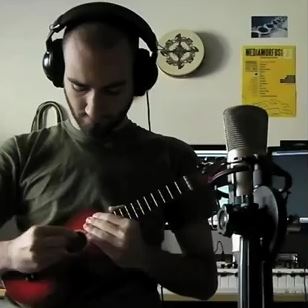
Con il termine VideoSong si intende un video musicale che rispetta due semplici regole:
1. Quello che vedi è quello che senti (niente playback per strumenti o voce).
2. Se si sente, ad un certo punto lo si vede (niente suoni nascosti)
Il termine coniato ed utilizzato per la prima volta dal pioniere, musicista e polistrumentista americano Jack Conte, si è diffuso in questi anni in larga scala su YouTube. Nel 2008 proprio Jack Conte insieme alla compagna Natalie Dawn ha fondato i Pomplamoose, duo ormai famoso in tutto il mondo grazie alle cover di pezzi famosi riarrangiate e proposte sottoforma di VideoSong.
Dalle “semplici” VideoSong registrate nella cameretta della casa di Conte, i Pomplamoose sono passati a produrre dischi (di pezzi originali e cover), tour e anche spot televisivi sempre in stile VideoSong. Solo nel 2009 sono riusciti a vendere all’incirca 100.000 mp3 su piattaforme online come iTunes e CDbaby sfruttando la promozione tramite video su YouTube.
Moltissimi musicisti hanno adottato la forma VideoSong per promuovere la propria musica o semplicemente per mostrare al mondo il proprio talento, e anche diversi musicisti italiani si sono cimentati nella produzione di questo tipo di video, tra questi citiamo Carlo Castellano e Nenne Effe:
Molti utenti si sono cimentati anche in video collaborazioni a distanza, quasi come fossero band o orchestre dove ognuno registra nella propria camera (o studio). Di seguito potete ascoltare e guardare la famosissima sigla dei Ghostbusters prodotta dal videosonger tedesco Ein Astronaut e altre 35 persone da tutto il mondo:
Per produrre una buona VideoSong non servono apparecchiature eccessivamente costose, ci si può arrangiare anche con una semplice webcam e una banale scheda audio. Per quanto riguarda i software ce ne sono diversi in giro gratuiti per l’editing audio e video, quindi, in sostanza, anche con poche risorse economiche si può mostrare il proprio talento musicale sul web in modo molto creativo. In questo modo si possono produrre non solo delle canzoni, ma anche degli esperimenti un pò estremi.
The term “Videosong” means a music video which complies with two simple rules:
1. What you see is what you listen (no playback for instruments or voices at all)
2. If you hear it, you’ll be watching it sooner or later (no hidden sounds)
The term, which was coined and used for the first time by its pioneer, the American musician Jack Conte, has spread on a large scale on Youtube. In 2008 Jack Conte himself together with his friend Natalie Dawn formed the Pomplamoose, a duo which is worldwide famous by now thanks to their covers of hits, rearranged and presented using the VideoSong formula.
By “simple” VideoSongs recorded in Conte’s room, the Pomplamoose have come to make records (original songs and covers), tours as well as tv ads also performed in VideoSong style. In 2009 alone they sold about 100.000 mp3s through online platforms such as iTunes and CDbaby promoting themselves through videos on Youtube.
A lot of musicians have taken advantage of the VideoSong formula to promote their own music or simply in order to show their talent to the world, and also many Italian musicians challenged themselves in producing this kind of videos, among those it’s worth mentioning Carlo Castellano and Nenne Effe:
Many users tried their hand at video collaborations at a distance, as if they were some bands or some orchestras where every single member shoots in his own rooms (or studios). Below here you can listen and watch the notorious Ghostbuster theme produced by the videosonger Ein Astronaut and 35 more people from around the world:
It doesn’t take highly priced devices in order to make a good VideoSong, we can make do with a simple webcam and a basic soundcard. As for the softwares, there are many free ones available for audio and video editing, so, to cut a long story short, one can show his own music skills on the web in a creative way even not being resourceful. Thus one not only can make songs, but also experiment a bit much like this:
Italian to English translation: Umberto del Giudice


