

AudioThing è una piccolo laboratorio indipendente specializzato nello sviluppo di librerie di campioni per Kontakt e patch per sintetizzatori hardware/software. Sulla scia delle applicazioni per smartphone, il motto è “qualità alta, costi contenuti”. Il loro ultimo prodotto si chiama SX1500 ed è, in pratica, l’emulazione a campioni del Jen SX1000

(fig.1)
Pagina del prodotto: http://www.audiothing.net/instruments/sx1500/
 Il Jen SX1000 (Synthethone) è un glorioso sintetizzatore analogico di fine anni ’70, prodotto dalla società italiana Jen Electronics. Spesso considerato il “Moog dei poveri”, l’SX1000 è un synth monofonico, dotato di un solo oscillatore, un filtro a 12 dB/Oct, due inviluppi, 1 LFO. La libreria sviluppata da AudioThing invece si chiama SX1500, quasi a voler far intendere il suo trovarsi un passo avanti all’originale. In effetti, guardando le caratteristiche del software, notiamo diverse aggiunte alla dotazione dell’SX1000:
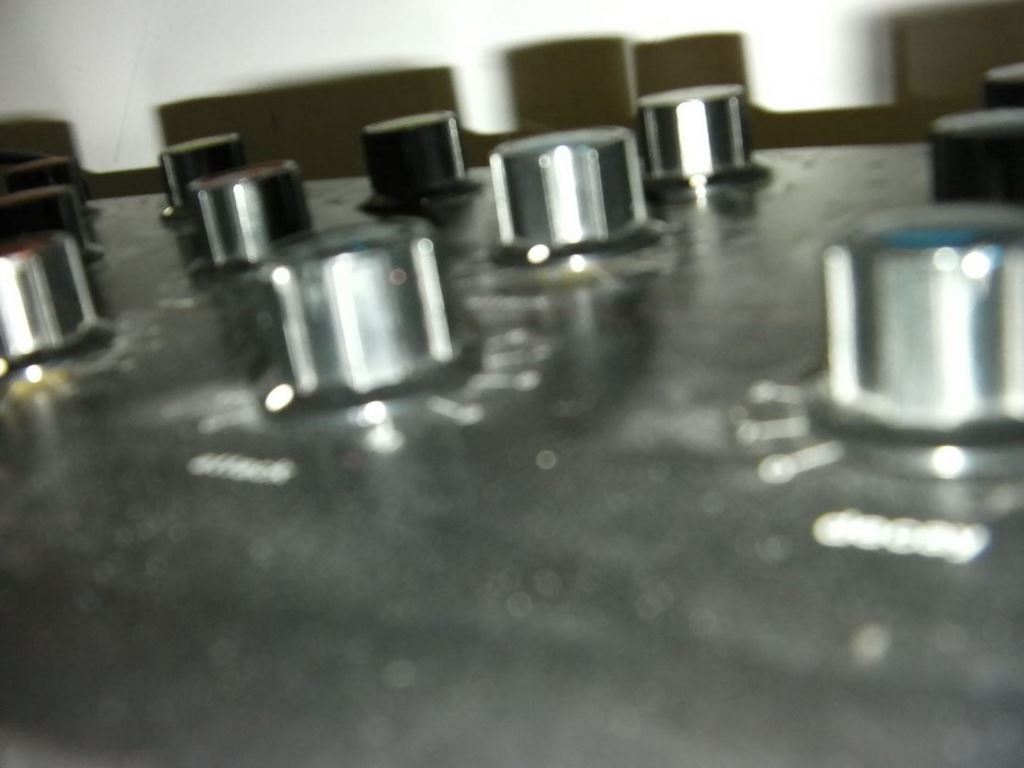
Per lo sviluppo di SX1500 sono state campionate tutte e tre le forme d’onda dell’oscillatore, tasto per tasto, le due sorgenti di rumore (white/pink) e persino il rumore dei potenziometri impolverati che “gracchiano”. Il tutto è stato assemblato sfruttando il linguaggio interno Kontakt Script, feature di punta del campionatore di Native Instruments.
La libreria si può acquistare solo mediante download ed è abbastanza leggera. Il file che viene inviato in maniera compressa è di circa 76 mega. All’interno troveremo una cartella Documents con il manuale, in lingua inglese, sull’uso del SX1500, una sezione Samples dove sono raccolti i campioni in formato wave e, infine, la libreria in formato Kontakt.
Interfaccia grafica
Sono presenti due schermate, Panel e Rear. La prima (Fig.1) comprende tutti i parametri più importanti della catena di sintesi. La seconda (Fig.2) comprende invece dei parametri aggiuntivi come il drift degli oscillatori e la quantità di rumore generata dai potenziometri.Il drift è un controllo molto interessante, in quanto consente di emulare i vecchi circuiti analogici degli oscillatori che difficilmente mantenevano un’intonazione perfetta. La libreria è costituita da 24 preset, tra lead, bassi, pad, un “pianet” e perfino un organetto.

(fig.2)
Stesso dall’interfaccia Panel è possibile sia richiamare i 24 preset di fabbrica che salvare quelli di propria creazione (nella sezione User Preset). Questo rappresenta un ottimo vantaggio, in quanto risulta spesso tedioso doversi salvare i singoli instrument di Kontakt come file esterni ogni volta che si crea un suono. I campioni sono a 44.1kHz/24bit: uno per ciascun tasto per waveform, i due noise ed il rumore dei knob che gracchiano.
Considerazioni
Mi è piaciuta molto l’idea che i campioni non siano stati registrati a 96 Khz: sarebbe stato solo uno spreco di memoria ed un appesantimento inutile della libreria.
La libreria, in tal modo, risulta molto leggera e funzionale, anche se non sarà mai una vera riproduzione del vecchio synth analogico, con tutti i suoi (amati, maledettamente belli, vera goduria per le orecchie) problemi di accordatura e variazioni degli armonici in maniera random: tuttavia, malinconia a parte, possiamo serenamente affermare che vi si avvicina moltissimo. Consiglierei a qualsiasi utilizzatore queste categoria di librerie sotto Kontakt, munendosi di un controller per gestire in tempo reale i knob di questi synth analogici.
Il genere di questa libreria può spaziare dal Prog rock all’IDM, tutto dipende – ovviamente – dall’utente, dalle sue esigenze e dai suoi gusti. Sicuramente synth lead e bassi sono categorie più indicate, ma data la natura polifonica del software possiamo ottenere anche dei bei pad molto “presenti” e caratterizzanti.
La scelta di usare la versione Kontakt 4.2, penalizzando gli utenti che possiedono versioni meno recenti, è dettata da una circostanza: da Kontakt vers. 4 in poi, è stata espansa la possibilità del kontakt script. Prima, in altre parole, non era possibile creare l’interfaccia personalizzata con tutti controlli custom e le altre “diavolerie” di chi esige la massima personalizzazione per ogni circostanza di lavoro o di piacere. Ed allora, ecco che tutte le immagini dei knob sono state costruite dall’autore.
Pro:
Libreria con un sound decisamente diverso dallo standard al quale siamo abituati.
Ottimo rapporto Q/P
Contro:
Avrei preferito la creazione di una sezione “categorie di suoni” e programmato qualche pad in più.
Extra:
Questo tipo di synth si presta bene a sperimentazioni, per avere sonorità diverse dai classici suoni standard che si trovano nelle librerie. Per sfruttarla al massimo ci vogliono pochissimi accorgimenti. Non tutti possono permettersi di avere degli ottimi outboard per rendere ancora più “autentico” il suono: allora, basta attrezzarsi un poco per riuscire ad ottenere degli effetti ancora più interessanti. Oltre a consigliarvi di usare dei plug caratterizzanti per dare più respiro a questo genere di libreria, cercate nei vostri rispostigli o nei mercatini vecchi registratori a nastro, pedalini per chitarra, vecchi PRE per hi-fi, oppure synt con input analogici e quant’altro la vostra fantasia vi suggerisca, fate passare il suono da questi prodotti e vedrete – con grande sorpresa – che vi sembrerà di suonare con un vero analogico. Attenti sempre a non strafare, ma sperimentate. Personalmente, ad esempio, oltre a provare in studio il plug con un bellissimo MaxxBCL, con la sezione Maxx Bass con frequenza posizionata a 60 Hz e una buona dose di intensity 70 – senza dimenticare una sezione limiter con il Threshold a 65dB (con compressore disinserito) – ho ritrovato un effetto stupendo. Ho provato, poi, anche a far passare la registrazione da un vecchio mangianastro e, tenendo sotto controllo l’imput della sequenza, ho registrato la mia parte suonata. Naturalmente chi ha la mia età ed ha “giocato” con questa esperienza – oggi forse un po’ retrò -, sa benissimo che nel momento in cui si riversa il contenuto nel computer abbiamo un problema di intonazione e di pitch che cambia in maniera random (parliamo pur sempre di macchine consumer). Niente paura: trasformiamo questo handicap in un’opportunità. Aggiungiamo al nostro synth lead, pad o qualsiasi altro suono che abbiamo manipolato e messo nel nostro take, un altro take con la sequenza originale passata magari da un PRE virtuale per chitarra. Teniamo i 2 take con volumi differenti nella nostra song, avendo cura di tenere il nostro con il pitch più basso, e facciamo partire i brano. Vi renderete conto che il suono diventa più interessante e meno abusato.
Demo
[soundcloud url=”http://api.soundcloud.com/playlists/782308″ params=”show_comments=true&auto_play=false&show_playcount=true&show_artwork=true&color=ff7700″ width=”100%” height=”225″ ]
Produttore: AudioThing
Modello: SX1500
Website: http://www.audiothing.net/instruments/sx1500/
Costo: $9 ~ 6€
AudioThing is a small independent laboratory specialized in the development of sample libraries for Kontakt and patches for hardware/software synthesizers. Following the apps for smartphones concept, the motto is “high quality, low cost.” Their latest product is called SX1500 and is, in practice, a Jen SX1000 emulation
(fig.1)
Pagina del prodotto: http://www.audiothing.net/instruments/sx1500/
The Jen SX1000 (Synthethone) is a glorious late 70s analog synthesizer, produced by the Italian company Jen Electronics. Often considered the “poor-man moog”, the SX1000 is a monophonic synth, with a single oscillator, a filter at 12 dB / Oct, two envelopes, an LFO. The library developed by AudioThing instead called SX1500, almost wanting to show a step ahead of the original. In fact, looking at the features of the software, we notice several additions to the SX1000:
For the development of SX1500 were sampled all three oscillator waveforms, key by key, the two noise sources (white/pink) and even the sound of dusty potentiometers that “caw.” Everything was assembled using the internal Kontakt Script language, top feature of the Native Instruments sampler .
The library can only be purchased via download and is quite light. The file is sent in a zip file about 76 MB. Inside you will find a Documents folder with the manual, in English, for the SX1500, a folder for Samples in wave format, and finally, the library in Kontakt format.
GUI
There are two screens, and Rear Panel. The first (Fig.1) includes all the most important parameters of the synthesis chain . The second (Fig.2) instead, includies additional parameters such as oscillator drift and the amount of noise generated by potenziometri.Il drift control is a very interesting, because you can emulate the old analog oscillators with not perfect pitch “holding”. The library consists of 24 presets, including lead, bass, pad, a “pianet” and even an organ.
(fig.2)
From the Panel interface you can either choose the 24 factory presets or save the ones you have created (in the User Preset). This is a great advantage because it is often tedious having to save individual instruments in Kontakt as external files every time you create a sound.
The samples are 44.1kHz/24bit: a key for each waveform for the two noise and the sound of croaking knob.
Considerations
I really liked the idea that the samples have not been recorded at 96 kHz, this would have been just a waste of memory and an overburdening of the library.
The library in this way, it is very light and functional, although it will never be a true representation of the old analog synths, with all their (loved, damn nice, real pleasure for the ears) problems of harmonic tuning and random changes: however, melancholy aside, I can confidently say that it comes very close. I would recommend that any user of these libraries, find a controller to handle real-time knob of these analog synths.
The genre of this library can range from IDM to Prog rock, it all depends – of course – by the user, its needs and tastes. Surely synth leads and basses are most appropriate categories, but given the polyphonic nature of the software you can find some nice pad very “present” and characterizing.
The decision to use the Kontakt version 4.2, penalizing users who have older versions, is dictated by circumstances: from Kontakt vers. 4 onwards, NI has expanded the possibilities of the kontakt scripts. First, in other words, you could not create the custom interface with all custom controls and other “mischief” of those who demand maximum customization for any occasion business or pleasure. And then, that’s all pictures of the knobs have been built by the author.
Pros:
Library with a sound very different from the standard to which we are accustomed.
Excellent value
Cons:
I would have preferred the creation of sound categories and some more pads.
Extras:
This type of synth lends itself well to experimentation, to get different sounds from the classic sounds that are found in standard libraries. To make the most of it takes a few precautions.
Not everyone can afford to have good outboard to make it a more “authentic” sound: Then, just gear up a little to be able to get even more interesting effects. In addition to advising you to use the plug to give some relief to characterize this kind of library, look for an old tape recorder, guitar pedals, old PRE for hi-fi, or synth with analog inputs and so on your imagination suggests, pass the sound from these products and you will see – to the surprise – you feel like playing with a real analog. Always careful not to overdo it. Personally, for example, I tried the plug in the studio with a beautiful MaxxBCL with Maxx Bass section frequently positioned at 60 Hz and a good dose of intensity 70 – not forgetting a section with the limiter threshold to 65dB (with compressor off ) – I found a wonderful effect. I tried, then, even in passing from an old tape recording and taking control of the input sequence, I recorded my part played. Of course who is my age and has “played” with that experience – today perhaps a little ‘retro -, knows that when you pour the contents into the computer have a problem with intonation and pitch that changes randomly (still speak of consumer machines). Do not worry: we transform this handicap into an opportunity. We add to our synth leads, pads or any other sound that we used and put in our take, take another pass even with the original sequence from a PRE virtual guitar. We take the 2 with different volumes in our song, taking care to keep our pitch with the lowest, and we start the song. You will realize that the sound becomes more interesting and less abused.
Demo
[soundcloud url=”http://api.soundcloud.com/playlists/782308″ params=”show_comments=true&auto_play=false&show_playcount=true&show_artwork=true&color=ff7700″ width=”100%” height=”225″ ]
Manufacturer: AudioThing
Product: SX1500
Website: http://www.audiothing.net/instruments/sx1500/
Price: $9 ~ 6€