

In any notational software, the type of fonts used is decisive for the work you want to do. Choosing the right font and the right graphic clarity not only allows you to obtain a “cleaner” editorially work but also guarantees a safe, detailed and quick understanding by the musician.
In this article we will look at some key fonts to use with the Italian Finale 2014 music notation software (Pic.1).
November 2.0
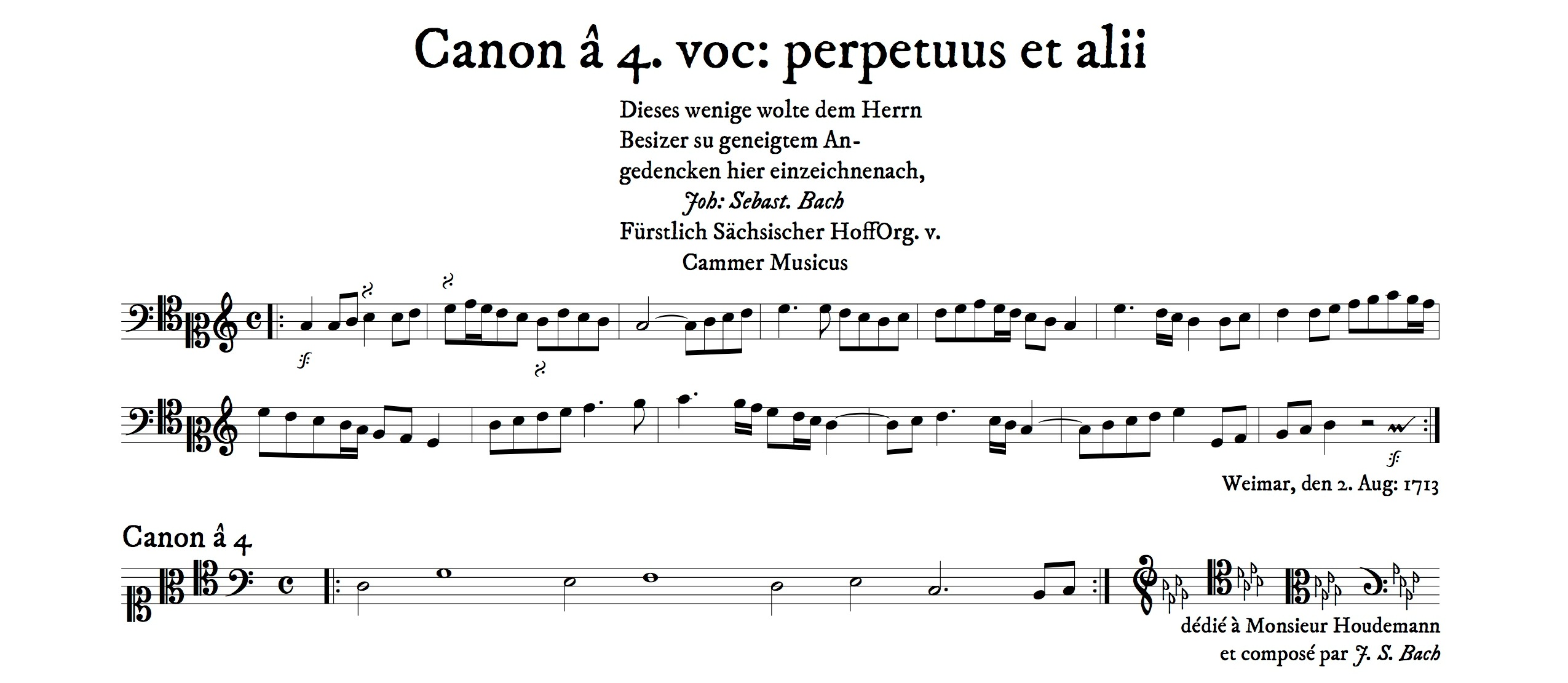
November has been referred to by musicians, publishers and copyists for years as one of the best music fonts ever designed for notation software.
Created for use in Finale (later extended to Sibelius e LilyPond), November 2.0 now includes a vast array of symbols, in the most obvious shapes, such as note heads, keys or pause, to rarer characters such as microtonal accidents or indications for particular instrumental techniques starting from the Renaissance, up to the most avant-garde music of the present.
Created with maniacal care, following the principle that every detail is as important as the whole, November 2.0 is a font with impressive graphic consistency. Created for use with the most modern technologies, but inspired by the ancient art of engravers.
Whatever the historical period covered in your scores, November 2.0 will make your score incredibly elegant and alive.
Technical features:
- Over 1000 symbols
- SmuFL compliant
- Compatible with Finale, Sibelius, LillyPond
Character map:
• November 2.0 contains beyond 1.000 different musical fonts and is the first commercial collection of Fonts compatible with the new standard SMuFL (more information on www.smufl.org).
• Font files: In addition to the new November2 fonts, the November 2.0 package also includes the “old” November & November Extra fonts. They are all incorporated in universal format Open Type Format (O.T.F.) to PostScript.
• Component files: for a better user experience, November 2.0 comes with special components for Finale, Sibelius and LilyPond: libraries, styles and plug-ins, templates, snippets, etc.
• November 2.0 is available as a single license (which allows you to use up to three computers at the same time by the same user) but also in volume licensing packages from 10 o 25 (for schools, conservatories, bands, associations, etc.) (November Disclosure)
Free Music Font Finale
On December 2, 2015, Finale made a package available Free of musical fonts (well made and certainly curious) available on the American manufacturer's website: www.finalemusic.com (Fig. 2) or downloadable directly from this portal (Finale Free Fonts). Fonts useful for teaching (but not only) that provide a new and curious graphic layout of the keys and notes as well as an original handwriting for the section indicators.

bravura
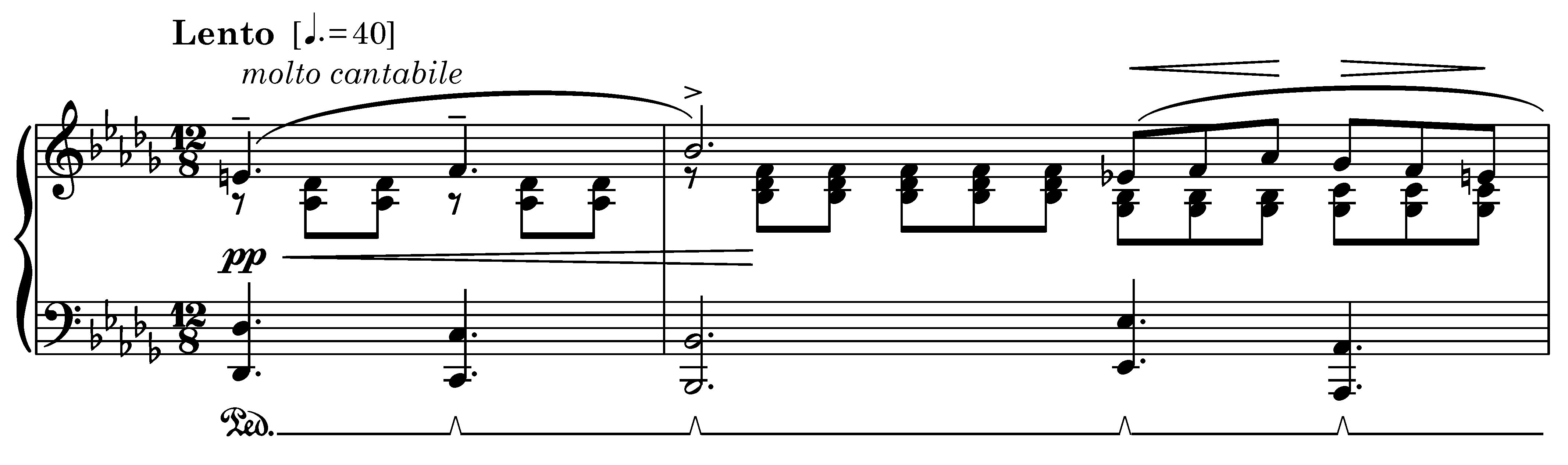
A very elegant looking font designed for 19th or 20th century music. Bravura demonstrates great readability and versatility of use (regardless of the staff present in the score). It is composed of two fonts: bravura (designed for word processing and therefore for the score) (Fig. 3) e Bravura Text (for the lyrics). Free font and freely usable (obviously following the SmuFL instructions for use). Bravura can be downloaded here (Fonts Bravura)
Medieval 2.0 (plug-ins)
The most famous font for the writer Gregorian (With neumes e tetragram). Distributor and producer of this fonts is the cleem. Absent for almost 10 years, the new version (2.0) finally seems imminent, which will fill a huge gap and will be of great importance for all lovers or professionals of Gregorian music. Other software or text fonts have tried over the years to make up for the lack of Medieval but, honestly, with little and cumbersome results.
Font Lab
Finally, for the more experienced (and passionate) I recommend a software, paid but very valid, to independently create libraries of symbols and new fonts www.fontlab.com (Fig. 4).
Good music everyone!
Beppe BornaghiIn each notation software, the type of fonts used is crucial for the work you want to develop. Choosing the right font and the right graphic clarity not only allows you to obtain more editorially “clear” work, but also ensures that the musician understands it in a safe, rapid and detailed way.
In this article we will discuss some key fonts, which will be used to work with the Italian Finale 2014 musical notation software (Fig.1).
November 2.0 Score Examples
November has been considered for years by musicians, editors and copyists as one of the best musical fonts ever designed for notation software.
Created to be used with Finale (extended next to Sibelius and LilyPond), November 2.0 now offers a large variety of symbols, including the most obvious forms, such as note heads, claves or silences, as well as the rarest characters such as alterations microtones or the indications of particular instrumental techniques, created starting from the Renaissance and is the most avant-garde music of the present.
Meticulously conceived and based on the principle that each detail is as important as the final result, the November 2.0 font offers impressive graphic coherence. It is designed to be used with the most modern technologies, but inspired by the ancient art of woodcut printing.
No matter what historical period you have to address in your scores, November 2.0 will give them an incredible elegance and liveliness.
Technical characteristics:
– Más de 1000 símbolos
- SmuFL compliant
– compatible with Finale, Sibelius, LillyPond
Characters map:
• November 2,0 contains more than 1.000 different musical characters, and is the first commercial compilation of fonts compatible with the new SmuFL standard (more information on www.smufl.org).
• Font file: as well as the new November 2 fonts, the November 2.0 package also includes the “old” November & November Extra fonts. Integrated all in universal Open Type Format (OTF) and PostScript.
• Component files: for a better user experience, November 2.0 incorporates particular components for Finale, Sibelius and LilyPond: libraries, styles and plugins, templates, snippets, etc.
• Noember 2.0 is available as an individual license (which allows a single user to use it in three players at the same time), but also in multiple license packages of 10 or 25 (for schools, conservatories, bands, associations, etc.) (November information)
Free Music Font Finale
On December 2, 2015, Finale made available a free package of musical fonts (beautiful and certainly curious) available on the European manufacturer's website: www.finalemusic.com (figure 2) or download directly from this portal (Fonts Finale Free). Useful fonts for teaching (but not only) that offer a new and curious graphic presentation of the claves and notes, as well as an original guide to the indicators of the section.
bravura
A font with a very elegant appearance and designed for the music of the 19th or 20th century. Bravura shows great legibility and versatility of use (regardless of the staff present in the score). It is made up of two fonts: Bravura (designed for the text processing and for the score) (Pic.3) and Bravura Text (for text). Free and freely usable fonts (obviously following the SmuFL usage instructions). Bravura can be downloaded here (Fonts Bravura)
mediaeval 2.0 (plugin)
The most famous font for those who write Gregorian (with neumas and tetragrama). The distributor and manufacturer of this font is Kleem. Absent for about 10 years, the new version (2.0) seems imminent, which will provide a great boost and will be of great importance for all lovers or professionals of Gregorian music. Other software or text fonts have attempted in recent years to bridge the gap of the Middle Ages, but sincerely, with poor and disappointing results.
Font Lab
Lastly, for more experimenters (and aficionados) I recommend a software, paid for, but undoubtedly valid, to create autonomous libraries of symbols and new fonts www.fontlab.com (Pic.4).
¡Buena música a todos!
Italian Spanish translation Eiwaz Jera